You Won’t Believe What I Found Exploring San Miguel de Allende
San Miguel de Allende isn’t just another pretty town—it’s a living canvas of culture, color, and centuries-old traditions. Wandering its cobbled streets, I stumbled upon hidden courtyards, vibrant markets, and local artists shaping the soul of Mexico. This is more than sightseeing; it’s deep, authentic connection. If you're craving a journey that feeds your curiosity and spirit, this gem in Guanajuato delivers beyond expectation. Nestled in the central highlands of Mexico, San Miguel de Allende offers a rare harmony of history, artistry, and everyday warmth that resonates long after departure. More than a destination, it’s an invitation to slow down, observe closely, and embrace the quiet magic of a place where time seems painted in warm ochres and twilight pinks.
First Impressions: Stepping Into a Colonial Dream
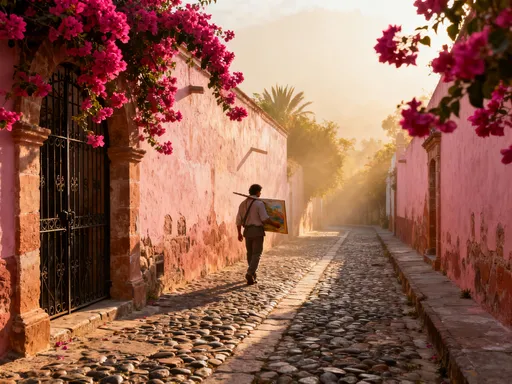
Arriving in San Miguel de Allende feels like stepping into a carefully preserved painting, where every detail contributes to a story centuries in the making. The town’s signature pink sandstone buildings glow under the high-altitude sun, their facades softened by climbing bougainvillea and wrought-iron balconies. The steep, winding streets—originally laid out in the 16th century—invite exploration on foot, revealing sudden vistas of red-tiled rooftops cascading down the hillsides. At the heart of it all stands the Parroquia de San Miguel Arcángel, its neo-Gothic spire rising like a crown above the central plaza. Designed by indigenous stonemason Zeferino Gutiérrez in the 19th century, the church is both a spiritual landmark and a symbol of local ingenuity.
What sets San Miguel apart from other colonial towns in Mexico is its remarkable authenticity. Unlike more commercialized destinations, it has resisted the pressures of mass tourism and unchecked development. In 2008, UNESCO recognized the historic center as a World Heritage site, not only for its architectural beauty but also for its role in Mexico’s independence movement. This designation has helped maintain strict preservation standards, ensuring that renovations respect original materials and design. As a result, visitors experience a town that lives and breathes history rather than performing it for tourists. The absence of chain stores and billboards enhances the sense of stepping back in time, while the presence of residents going about their daily lives keeps the town grounded in reality.
The town’s elevation—about 6,400 feet above sea level—adds to its allure, offering crisp, clear air and a temperate climate year-round. Mornings often begin with a gentle mist curling through the valleys, gradually lifting to reveal panoramic views of the surrounding countryside. This natural beauty complements the built environment, creating a seamless blend of landscape and architecture. For many travelers, especially those seeking respite from urban chaos, San Miguel feels like a sanctuary—a place where beauty is not curated for Instagram, but lived and cherished by those who call it home.
The Heartbeat of Tradition: Local Festivals and Daily Rituals
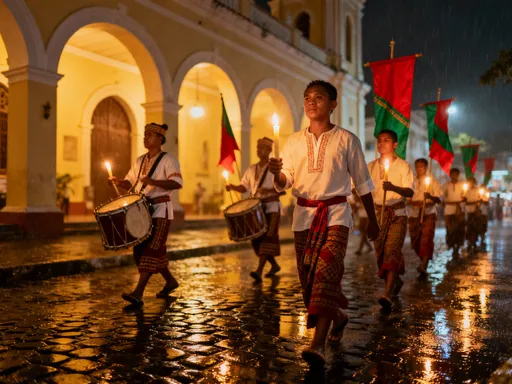
Beyond its visual charm, San Miguel pulses with cultural rhythms that reveal the deeper soul of Mexican life. The town’s calendar is marked by religious and community celebrations that blend Catholic traditions with indigenous customs, creating experiences rich in symbolism and emotion. One of the most profound is Semana Santa, or Holy Week, when the streets transform into stages for solemn processions. Residents dressed in traditional robes carry statues of Christ and the Virgin Mary through the plazas, accompanied by the mournful notes of live orchestras. The scent of copal incense lingers in the air, linking the present to centuries of spiritual practice.
Equally moving is the celebration of Día de Muertos, or Day of the Dead, when families honor their ancestors with ofrendas—elaborate altars adorned with marigolds, candles, photographs, and favorite foods of the departed. These altars appear in homes, schools, and public buildings, each one a personal tribute woven with love and memory. Visitors are often welcomed to observe these rituals with quiet respect, and some community events include guided walks or cultural talks that help explain the significance behind the symbols. It’s not tourism disguised as tradition; it’s an open invitation to witness something deeply meaningful.
Daily life in San Miguel also follows its own gentle cadence. Morning Mass at the parish church draws a mix of locals and longtime expatriates, united in quiet reverence. Children walk to school in neat uniforms, often stopping to greet shopkeepers by name. In the late afternoons, families gather in the Jardín Allende, the main square, where mariachi musicians sometimes play soft ballads under the shade of ancient laurel trees. These moments—unscripted and unhurried—offer a window into a community that values connection, faith, and continuity. For the mindful traveler, they are as valuable as any landmark or museum.
Art as a Way of Life: Galleries, Studios, and Street Creators
Art is not something you merely view in San Miguel de Allende—it’s something you feel in the air, see in the details, and encounter around every corner. The town has long been a magnet for artists, drawn by its light, atmosphere, and welcoming creative community. This legacy was solidified in the mid-20th century when the Instituto Allende began attracting international students, fostering a blend of Mexican and global artistic influences. Today, that spirit thrives in dozens of galleries, open studios, and sidewalk exhibitions scattered throughout the historic center.
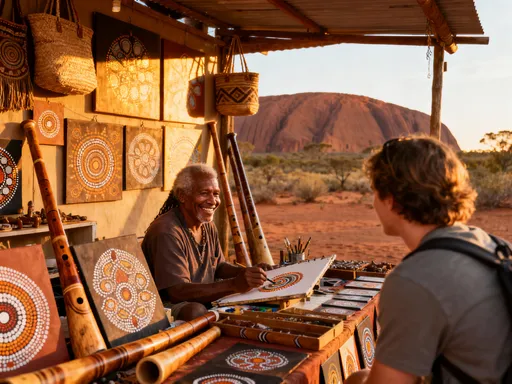
Wandering through neighborhoods like Guadiana or La Luz, visitors might stumble upon a potter shaping clay on a hand-powered wheel, a painter layering vibrant oils in a sunlit courtyard, or a textile artist weaving intricate patterns on a traditional loom. These are not performances for tourists; they are working artists deeply embedded in their craft. Many offer informal studio visits, where conversations about technique, inspiration, and cultural heritage unfold naturally. The tactile experience—running fingers over hand-embroidered linen, watching molten glass take shape, or smelling fresh paint in a sunlit atelier—adds a sensory depth that galleries alone cannot provide.
The town’s art schools continue to play a vital role in sustaining this culture. The Instituto Allende and Bellas Artes, housed in a former convent, offer workshops in painting, sculpture, and printmaking, often taught by practicing artists. These programs attract learners of all ages, from local children to retired professionals from abroad, creating a dynamic exchange of ideas and techniques. Meanwhile, monthly events like the “Ruta de la Amistad” open private studios to the public, turning the entire town into a living exhibition. For visitors, this accessibility transforms art from a distant concept into a shared human expression.
Flavors That Tell Stories: A Taste of Authentic Mexican Culture
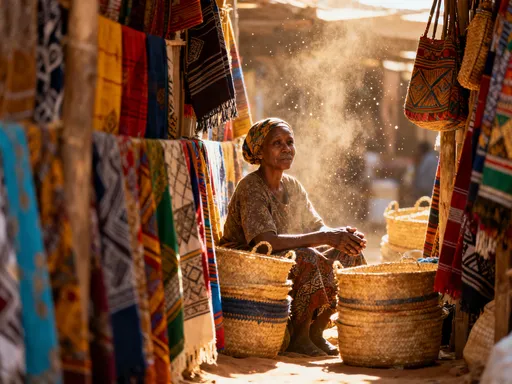
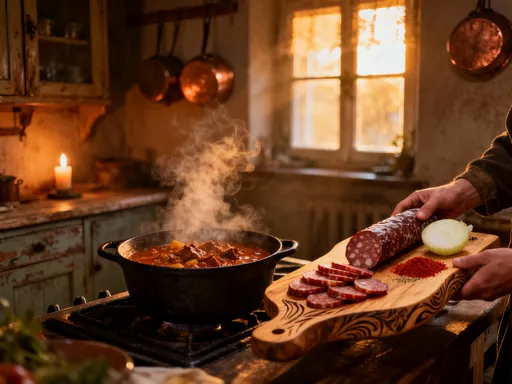
To understand San Miguel is to taste it—and the town’s culinary landscape is a rich tapestry of tradition, family, and regional pride. At the Mercado Sánchez, the central market since the 19th century, the air is alive with the sizzle of comals, the fragrance of roasting chiles, and the bright colors of fresh produce. Vendors display pyramids of heirloom tomatoes, baskets of huitlacoche (corn fungus), and bunches of epazote, a pungent herb used in traditional cooking. Here, abuelas (grandmothers) still buy masa by the kilo to make tortillas by hand, and butchers carve cecina, a salted and dried beef specialty of the region.
Just beyond the market, small fondas—family-run eateries—serve dishes that speak of generations. One might find enchiladas mineras, a local favorite named after the miners of nearby Guanajuato, layered with cheese, potatoes, and a tangy tomatillo sauce. Another might offer atole de guayaba, a warm, thick drink made from corn flour and guava, often enjoyed at breakfast or during cold evenings. These meals are not plated for presentation; they are served with warmth, often accompanied by a smile and a question about your day. Sharing food here is an act of hospitality, not transaction.
Cooking classes have become a popular way for visitors to connect with this culinary heritage. Led by local chefs or home cooks, these sessions go beyond recipes—they explore the history behind ingredients, the seasonal rhythms of Mexican agriculture, and the role of food in celebration and healing. Participants might learn to grind spices on a molcajete, fold tamales in corn husks, or balance the complex flavors of a mole sauce. The result is not just a meal, but a deeper appreciation for how food carries memory, identity, and love across time.
Hidden Corners Beyond the Postcard: Off-the-Beaten-Path Encounters
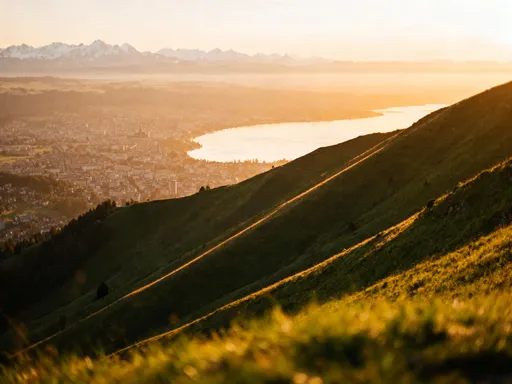
While the main plazas and landmarks draw well-deserved attention, some of San Miguel’s most memorable moments happen in its quieter corners. Just a short climb from the Jardín Allende, the Camino Real trail winds through stone arches and ancient agave plants, leading to a secluded viewpoint where the entire town unfolds below like a model village. At sunrise, the pink rooftops glow softly, and the only sounds are birdsong and distant church bells. This is not a tourist spot with a sign or a ticket booth—it’s a place discovered through curiosity and a willingness to wander.
Other treasures include rooftop gardens maintained by local residents, where terracotta pots overflow with herbs and flowers, and cats nap in patches of sunlight. Some cafes, known only to regulars, have no signage—just a heavy wooden door that opens into a courtyard filled with books, plants, and the aroma of freshly ground coffee. These spaces are not hidden to exclude, but to preserve their intimacy. They thrive because they are part of daily life, not designed for visitor consumption.
Finding these places requires a shift in pace. It means walking without a map, pausing to chat with a gardener, or accepting an invitation to see a neighbor’s pottery collection. It means respecting boundaries—knocking before entering a courtyard, asking before taking photographs, and understanding that some moments are not meant to be shared online. The reward is not a photo, but a feeling: the quiet joy of being present, of being seen not as a tourist, but as someone who cares enough to look closely.
Why San Miguel Stands Out: Comparing Cultural Depth Across Mexican Towns
Among Mexico’s many culturally rich towns, San Miguel de Allende holds a unique position. Unlike Oaxaca, known for its indigenous Zapotec and Mixtec heritage, or San Cristóbal de las Casas, celebrated for its highland Maya communities, San Miguel’s identity is shaped more by its colonial past and its evolution as a cultural crossroads. It does not represent a single indigenous group, but rather a fusion of Spanish, mestizo, and international influences that have coexisted for centuries. This blend gives it a distinctive character—rooted in Mexican tradition, yet open to global dialogue.
In terms of accessibility, San Miguel is easier to reach than many highland towns, located just a few hours by car or bus from Mexico City or Querétaro. Its well-maintained streets, reliable infrastructure, and abundance of bilingual residents make it welcoming for first-time visitors. Yet it has managed to avoid the pitfalls of over-commercialization that affect destinations like Cancún or Playa del Carmen. While tourism has brought changes—rising property prices, more English-speaking services—the core of the town remains in the hands of local families and long-term residents who value preservation over profit.
What truly sets San Miguel apart is its sustained commitment to the arts and education. While other towns celebrate craft or cuisine, San Miguel has institutionalized creativity through schools, galleries, and public programs. This has created a self-reinforcing cycle: artists come, they stay, they teach, and new generations emerge. The result is a living culture, not a static display. Visitors don’t just see art—they feel its energy in the streets, hear it in conversations, and witness its role in shaping community identity.
How to Experience It Right: Practical Insights for Meaningful Travel
To truly connect with San Miguel de Allende, preparation and mindset matter as much as itinerary. The best times to visit are between October and April, when the weather is mild and dry, and the crowds are manageable. Spring, in particular, offers blooming jacaranda trees and the festive energy of Holy Week. Summer brings afternoon rains, which can make cobblestone streets slippery, but also cools the air and fills the hills with greenery.
Getting around is easiest on foot. The historic center is compact, and walking allows you to notice details—carved doorways, hidden murals, the sound of a piano from an open window—that vehicles miss. Comfortable shoes are essential, given the steep inclines. For longer distances, taxis and small vans are available, but the town’s layout discourages car use, preserving its pedestrian-friendly charm.
Engaging with locals in Spanish, even at a basic level, opens doors. Simple greetings, asking for directions, or complimenting someone’s garden can lead to unexpected conversations. Many residents appreciate the effort, even if they switch to English to help. Supporting independent vendors—buying a painting directly from an artist, eating at a family fonda, or purchasing handmade textiles—ensures that tourism benefits the community directly.
Accommodation choices reflect the town’s character. Historic homes converted into boutique inns often offer more authenticity than large hotels. Staying in a locally owned property supports preservation efforts and provides a more intimate experience. Above all, traveling with awareness means moving slowly, listening more than speaking, and recognizing that you are a guest in a living community. True exploration is not about checking off landmarks, but about allowing a place to change you—through a shared meal, a quiet moment in a courtyard, or the sudden realization that beauty and meaning often lie just beyond the obvious path.