You Won’t Believe These Hidden Natural Wonders Near Astana
Who knew hiking near Astana could reveal such jaw-dropping landscapes? I went looking for peace and found towering canyons, surreal rock formations, and untouched trails just hours from the city. This isn’t the Kazakhstan most people see—this is the raw, wild side. If you’re craving nature that feels like another planet, trust me, you gotta check this out.
Why Astana Is More Than a Modern City
Astana, now officially known as Nur-Sultan, stands as one of the most striking modern capitals in Central Asia. With its sweeping futuristic architecture, gleaming skyscrapers, and wide boulevards, the city projects an image of bold ambition and forward momentum. Yet beyond its polished skyline lies a landscape that few international visitors expect: vast open steppes, rugged hills, and ancient geological wonders waiting to be explored. The city serves not only as a political and economic hub but also as a gateway to some of Kazakhstan’s most breathtaking natural environments.
While many associate Kazakhstan with deserts or the Caspian Sea, the northern and eastern regions surrounding Nur-Sultan offer a different story—one of ecological diversity and quiet grandeur. In recent years, there has been a growing interest in eco-tourism across the country, driven by both local initiatives and international attention. Families, outdoor enthusiasts, and weekend adventurers are increasingly discovering that just a few hours’ drive from the capital, they can trade concrete for canyon, glass towers for granite peaks. This shift reflects a broader global trend toward reconnecting with nature, especially among urban dwellers seeking respite from fast-paced lifestyles.
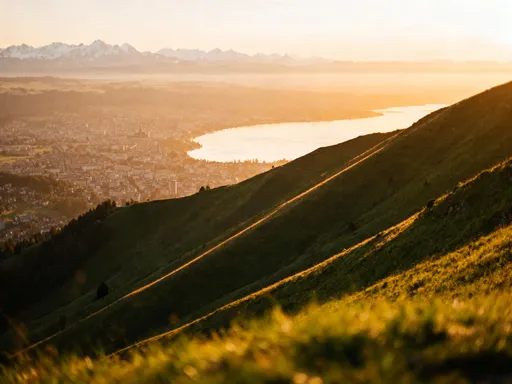
The contrast between Nur-Sultan’s sleek modernity and the untamed wilderness nearby is striking. One moment you’re surrounded by the geometric precision of the Bayterek Tower and the flowing curves of the Khan Shatyr; the next, you’re standing atop a windswept ridge overlooking endless grasslands dotted with wildflowers. This duality makes the region uniquely appealing—not only for those who love cities, but also for travelers drawn to solitude, silence, and natural beauty. As infrastructure improves and awareness grows, more people are beginning to see Nur-Sultan not just as a destination in itself, but as a launching point for unforgettable outdoor experiences.
The Best Time to Hike Around Astana
Hiking near Nur-Sultan requires careful timing due to the region’s extreme continental climate. Winters are long, harsh, and bitterly cold, with temperatures often plunging below -25°C (-13°F) and heavy snow cover lasting from late November through March. Summers, on the other hand, can be surprisingly hot, with July temperatures sometimes reaching 35°C (95°F), accompanied by intense sun exposure and dry conditions. These extremes make only two seasons truly ideal for hiking: late spring and early autumn.
From May to June, the steppe comes alive with color. Snow melts away, streams swell with meltwater, and wildflowers bloom in abundance across the hillsides. Temperatures during this period range from a comfortable 15°C to 22°C (59°F to 72°F), making it perfect for moderate hikes. Daylight stretches up to 17 hours, giving hikers ample time to explore without rushing. Trails are generally dry enough to walk on, though some low-lying areas may remain muddy after spring rains, so waterproof footwear is recommended.
September offers similarly favorable conditions. The summer heat has subsided, the air is crisp, and the golden hues of changing foliage begin to appear, especially in forested zones like those near Kokshetau. Average daytime temperatures hover between 16°C and 20°C (61°F to 68°F), and rainfall is minimal. This period also sees fewer insects than in early summer, improving comfort on longer treks. October can still offer pleasant days, but nights become significantly colder, and the first snows may arrive by late in the month, shortening the hiking window.
Travelers should also prepare for sudden weather shifts, which are common in open steppe regions. Even during the best seasons, strong winds, rapid cloud cover, and unexpected showers can occur. Layered clothing, a reliable windproof jacket, and a compact emergency shelter are essential. Checking local forecasts before departure and informing someone of your itinerary are wise precautions, especially when venturing into remote areas where help may be far away.
Kokshetau National Park: A Steppe Wonderland
About 300 kilometers north of Nur-Sultan lies Kokshetau National Park, a protected area that feels worlds away from the capital’s urban energy. Established in 1996, the park spans over 1,000 square kilometers and protects a rare combination of ecosystems: ancient granite massifs, pine and birch forests, and more than 40 pristine lakes. It’s a place where time seems to slow down, where silence is broken only by the rustle of leaves or the call of a distant bird. For many Kazakh families, this region holds deep cultural and spiritual significance—a sanctuary not just for wildlife, but for the soul.
One of the park’s most popular destinations is Burabay, a resort town nestled within the forested hills that draws visitors year-round. In summer, the trails around Lake Burabay and Lake Ulken Shabakty are especially inviting. The Ulken Shabakty Loop, a moderate 8-kilometer trail, offers panoramic views from rocky outcrops and passes through fragrant pine groves. Hikers often pause at viewpoints like Zhaman Utkir, where massive boulders balance precariously atop one another—a geological marvel shaped by millennia of erosion. Local legend holds that these formations are sacred, created by ancestral spirits or left behind by ancient giants.
Biodiversity in the park is rich and varied. Over 500 plant species thrive here, including rare orchids and medicinal herbs. Birdwatchers may spot golden eagles soaring above the ridges or see the colorful plumage of a black stork near the lakeshores. Mammals such as roe deer, foxes, and even the elusive lynx inhabit the deeper forests, though sightings are rare and require patience and quiet movement. The park’s lakes, fed by underground springs, are known for their clarity and cool temperatures, making them ideal for a refreshing dip after a long hike.
Visitors are encouraged to respect the park’s rules: camp only in designated areas, avoid loud noises, and leave no trace. Rangers patrol regularly, and entrance fees contribute to conservation efforts. Guided tours are available for those unfamiliar with the terrain, and many local families offer homestays that provide authentic cultural experiences. Whether you’re walking a well-marked path or sitting quietly by a lakeside, Kokshetau offers a rare chance to connect with nature in a way that feels both grounding and uplifting.
Exploring the Charyn Canyon Adventure
For those willing to travel farther afield, Charyn Canyon stands as one of Central Asia’s most extraordinary natural wonders. Located approximately 250 kilometers east of Almaty and accessible from Nur-Sultan via domestic flight or a 12-hour drive, this dramatic gorge cuts through the landscape like a scar from ancient tectonic forces. Often compared to the Grand Canyon for its scale and color, Charyn remains far less crowded, preserving a sense of solitude and awe that few places can match.
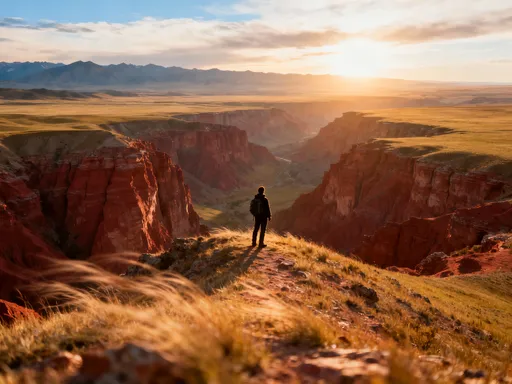
The heart of the canyon is the Red Canyon, a 2-kilometer stretch where sandstone cliffs rise up to 150 meters, sculpted by wind and water into fantastical shapes—towers, arches, and waves frozen in stone. The layers of red, orange, and purple rock tell a story millions of years in the making, revealing shifts in climate, sediment, and geological pressure. At sunrise and sunset, the walls glow with an almost otherworldly light, casting long shadows and deepening the sense of mystery.
Hiking the main trail through the Red Canyon is a moderate but rewarding experience, taking about 3 to 4 hours round trip. The path follows the old riverbed, requiring some scrambling over rocks and occasional detours around dry streambeds. Along the way, hikers encounter microclimates—patches of shade where moisture lingers, supporting reeds, willows, and even wild grapes. The most famous of these is the Charyn Apple Forest, a remnant of the wild ancestors of today’s domestic apples, believed to be among the oldest in the world.
Overnight visitors can camp in designated areas near the park entrance, where basic facilities include toilets and fire pits. Some opt for yurt camps run by local operators, which provide meals, blankets, and traditional hospitality. Permits are required and can be obtained online or at visitor centers. While water sources are limited, tour guides typically carry filtration systems or supply bottled water. Given the remote location, it’s strongly advised to go with a guide or as part of an organized group, especially for first-time visitors. The experience is not just about seeing the canyon—it’s about feeling the silence, breathing the crisp air, and standing humbled before nature’s artistry.
Local Trails Close to the Capital
Not every hiker needs to travel hundreds of kilometers to find beauty. Within 100 kilometers of Nur-Sultan, several accessible trails offer peaceful escapes into nature without requiring extensive planning or equipment. These day hikes are ideal for families, beginners, or anyone looking to stretch their legs and breathe fresh air after a week in the city.
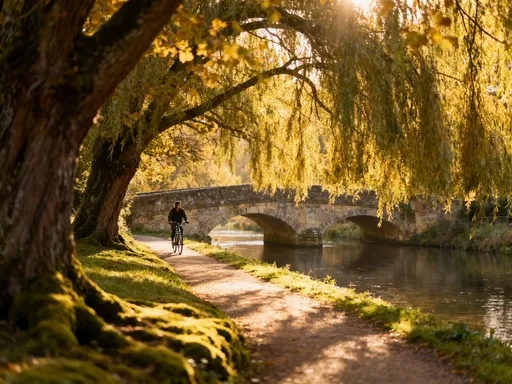
One of the most popular options is the Ishim River valley, which winds through the outskirts of the capital. Trails along the riverbanks vary in length and difficulty, but most are flat and well-maintained, suitable for walking, jogging, or cycling. Spring and early summer bring lush greenery and blooming shrubs, while autumn paints the willows and poplars in golden tones. Birdlife is abundant—kingfishers dart over the water, and herons stalk the shallows. Picnic areas and small bridges make it easy to turn a short hike into a full day outdoors.
Another promising destination is the Nura River region, located southeast of the city. The bluffs overlooking the river offer sweeping views of the surrounding steppe, especially near the village of Korgalzhyn, which is also home to a UNESCO Biosphere Reserve. While the reserve itself focuses on wetland conservation, the nearby hills provide excellent hiking opportunities. Trails here are less developed, so navigation tools are recommended. The terrain is gentle but expansive, with wildflowers, grasses, and occasional antelope sightings adding to the sense of adventure.
Community involvement in trail maintenance has grown in recent years, with volunteer groups organizing clean-up days and marking paths with natural stone cairns. Social media groups and local outdoor clubs frequently share updates on trail conditions and organize group hikes, fostering a growing culture of responsible recreation. These local routes may not rival the drama of Charyn or the serenity of Kokshetau, but they play a vital role in connecting city residents with the natural world—reminding them that wonder doesn’t always require a long journey.
What to Pack and Know Before You Go
Preparation is key to a safe and enjoyable hiking experience near Nur-Sultan. The region’s open landscapes offer little shelter, so hikers must be self-reliant. A well-thought-out packing list can make the difference between a pleasant adventure and a difficult ordeal. Start with clothing: dress in layers to adapt to changing temperatures. A moisture-wicking base layer, an insulating mid-layer like fleece, and a windproof, water-resistant outer shell are essential. Even in summer, mornings and evenings can be chilly, especially at higher elevations.
Sturdy hiking boots with good ankle support are crucial, particularly for rocky or uneven terrain. Trails in areas like Charyn or Kokshetau often involve scrambling over loose stones or navigating dry riverbeds, where stability is paramount. Bring at least two liters of water per person for a full-day hike, and consider carrying a portable water filter or purification tablets if you plan to refill from natural sources. While some lakes and streams appear clean, untreated water may contain bacteria or parasites.
Navigation tools are another must. While some popular trails have signage, many remote routes do not. A GPS device or offline map app on a smartphone (with a power bank) is highly recommended. Paper maps and a compass serve as reliable backups. Other essentials include sunscreen, sunglasses, a wide-brimmed hat, insect repellent (especially in early summer), and a basic first-aid kit. Snacks like nuts, dried fruit, energy bars, and sandwiches provide sustained energy without adding weight.
Transportation is typically by rental car or organized tour. Road conditions vary—main highways are paved and well-maintained, but secondary roads leading to trailheads may be gravel or dirt and become impassable after heavy rain. Four-wheel drive is advisable for more remote destinations. If driving independently, ensure your vehicle is stocked with emergency supplies: extra water, blankets, a flashlight, and a basic toolkit. For those uncomfortable with self-guided travel, numerous local operators offer guided hikes with transportation, meals, and expert commentary, making the experience both safe and enriching.
Responsible Hiking and Protecting Kazakhstan’s Wild Spaces
As more people discover the natural treasures near Nur-Sultan, the need for responsible tourism becomes increasingly urgent. These landscapes, shaped over millennia, are fragile and can be easily damaged by careless behavior. The principles of Leave No Trace offer a practical framework for minimizing human impact: pack out all trash, stay on marked trails, avoid picking plants or disturbing wildlife, and refrain from carving or marking rocks.
One of the most important actions travelers can take is to respect local customs and sacred sites. In places like Kokshetau, certain rock formations and springs are considered spiritually significant by indigenous communities. Visitors should observe quietly, avoid loud behavior, and never remove stones or leave offerings without understanding local traditions. Hiring local guides not only supports the regional economy but also ensures that cultural and environmental knowledge is preserved and shared accurately.
Supporting conservation efforts is another way to give back. Entrance fees to national parks and protected areas fund rangers, trail maintenance, and wildlife monitoring programs. Travelers can also donate to local environmental NGOs or participate in volunteer clean-up events. By choosing eco-friendly tour operators and avoiding single-use plastics, hikers contribute to the long-term sustainability of these spaces.
Sustainable tourism is not just about rules—it’s about mindset. It’s about walking softly, listening deeply, and leaving places better than we found them. When we do this, we help ensure that future generations of families, adventurers, and dreamers can still stand atop a windswept ridge near Nur-Sultan and feel the same sense of wonder we do today. The wild heart of Central Asia beats strong—but it needs our care to keep beating.
Hiking near Astana reveals a side of Kazakhstan few ever witness—a land of quiet power, ancient stones, and endless skies. It’s not just about the views; it’s about connection, discovery, and stepping off the map. For those willing to venture beyond the city’s glass towers, the wild heart of Central Asia awaits.