You Gotta See These Hidden Shopping Spots Near Uluru
Standing beneath the fiery glow of Uluru at sunset, I never expected to find such vibrant shopping gems nearby. It’s not just about the iconic rock—this journey blends culture, adventure, and surprisingly unique local markets. From handmade Indigenous art to boutique desert souvenirs, the shopping scene here is authentic and unforgettable. Let me take you through the real check-in experience: where to go, what to buy, and how to connect with the heart of Australia’s Red Centre. This isn’t about mass-produced trinkets or flashy boutiques; it’s about meaningful exchange, cultural respect, and discovering beauty born from ancient traditions. What you carry home may be small in size, but its significance stretches across generations and landscapes.
First Impressions: The Unexpected Charm of Uluru’s Shopping Scene
When travelers arrive in Yulara, the small resort town serving as the gateway to Uluru, many assume that shopping options will be limited to standard tourist fare—plastic boomerangs, oversized T-shirts, and generic postcards. But those who take a closer look are met with a refreshingly different reality. The retail landscape here is shaped by intention, respect, and deep cultural roots. Far from being an afterthought, shopping near Uluru offers a powerful extension of the visitor experience, one that invites deeper understanding and connection. What sets these shops apart is their commitment to authenticity. Rather than importing goods from overseas factories, most stores feature products made by local Anangu artists or small Indigenous-owned cooperatives. This means every purchase supports community livelihoods and helps preserve cultural knowledge passed down for thousands of years.
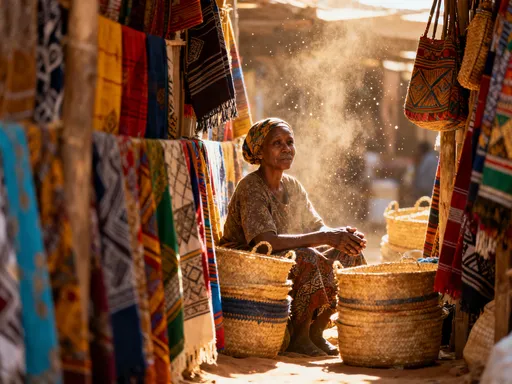
Walking through the open-air market spaces and cultural centers, visitors are immediately struck by the warmth and care embedded in each display. Unlike the hurried pace of city malls, shopping here unfolds slowly, almost reverently. Artworks are not stacked high for quick turnover; they are presented with space, light, and context. Labels often include the artist’s name, language group, and a brief explanation of the Dreamtime story behind the piece. This transparency transforms shopping from a transaction into a conversation—one that honors both the creator and the tradition. Even the architecture of the retail spaces reflects this ethos, with natural materials like sandstone and timber blending seamlessly into the desert surroundings.
For many guests, especially women traveling with family or on personal journeys of discovery, these moments of quiet engagement are deeply moving. There’s a sense of privilege in holding a hand-carved wooden punu or tracing the intricate lines of a dot painting created just hours before. It’s not about acquiring something beautiful—though beauty is everywhere—but about participating in a system that values people over profit. In a world where fast fashion and disposable goods dominate, Uluru’s shopping culture stands as a quiet rebellion, reminding us that the most meaningful possessions are those rooted in place, purpose, and story.
The Heartbeat of Culture: Maruku Arts and Didgeridoo Store
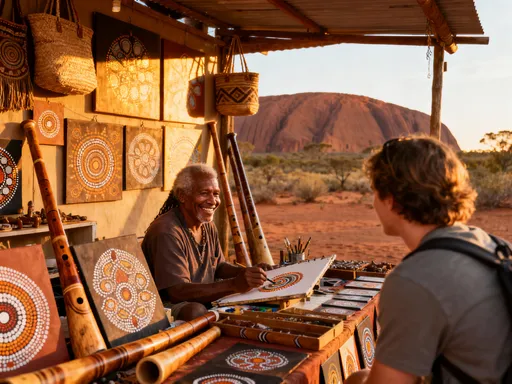
No visit to Uluru is complete without a stop at Maruku Arts, a community-owned enterprise that has become a cornerstone of ethical tourism in the region. Located within the cultural precinct near the base of the rock, this vibrant hub is more than a shop—it’s a living gallery, workshop, and cultural embassy all in one. Here, visitors don’t just browse art; they witness it being made. Artists sit under shaded awnings, brushes in hand, carefully layering dots of pigment onto canvas or carving intricate designs into mulga wood. The air hums with quiet concentration, occasionally punctuated by laughter or the soft rhythm of a didgeridoo being tested in the back room.
Maruku Arts represents over 900 Anangu artists from communities across Central Australia, including Mutitjulu, Docker River, and Kings Canyon. Each artwork sold carries a certificate of authenticity and includes information about the artist and their ancestral connection to the depicted Dreamtime story. These stories—passed down orally for millennia—are not myths or legends, but living records of creation, law, and land stewardship. When you purchase a painting of Tjukurpa (the Anangu word for law, tradition, and spiritual belief), you’re not just buying decor; you’re supporting a system of knowledge that sustains an entire culture.
The store’s range is both expansive and deeply personal. Dot paintings dominate the collection, each one unique in color, pattern, and meaning. Some depict the travels of ancestral beings, while others map sacred sites or record women’s ceremonies. Wooden carvings, known as punu, are another highlight—crafted from desert ironwood and finished with natural pigments, these pieces often take weeks to complete. Visitors can watch artists sand and polish each sculpture, learning about the significance of animals like the goanna, emu, or perentie lizard. For those seeking a musical keepsake, the didgeridoos—hand-carved and tuned on-site—are not only instruments but cultural artifacts, traditionally used in ceremonial contexts.
What truly sets Maruku apart is its transparency and commitment to fair trade. Every dollar spent returns directly to the artists and their communities, funding education, health programs, and land management initiatives. Unlike commercial galleries that may exploit Indigenous designs without permission, Maruku operates under strict ethical guidelines, ensuring that cultural IP is respected. This gives shoppers peace of mind, knowing their purchase contributes to long-term sustainability rather than short-term profit. For mothers, grandmothers, and women seeking meaningful travel experiences, this level of integrity transforms shopping into an act of solidarity and respect.
Desert Style: Discovering Local Fashion at the Cultural Centre Boutique
Nestled inside the Uluru-Kata Tjuta Cultural Centre, the boutique retail space offers a subtle yet powerful expression of contemporary Aboriginal design. This is not fast fashion or trend-driven apparel; it’s clothing with soul. The garments here are crafted from breathable cotton, linen, and silk, dyed in earthy tones that mirror the desert palette—ochre, rust, charcoal, and sand. What makes them extraordinary is the use of traditional patterns, screen-printed using designs authorized by local artists. Each scarf, dress, or shirt becomes a wearable story, carrying symbols that speak of waterholes, ancestral tracks, or women’s dreaming routes.
One of the most popular items is the cotton scarf, lightweight enough for daytime sun protection yet elegant enough to wear in the evening. Many feature designs from senior women artists, whose work celebrates female knowledge and ceremonial life. These scarves are more than accessories—they’re conversation starters, memory keepers, and subtle declarations of cultural appreciation. Handwoven bags made from natural fibers are another standout, their textures echoing the woven baskets used by Anangu women for gathering bush tucker. Some include beadwork or tassels dyed with plant-based pigments, adding a touch of artistry to everyday utility.
The boutique also showcases bush-tucker-inspired accessories, such as soaps, balms, and candles infused with native ingredients like quandong, wattleseed, and desert lime. These products are developed in partnership with local rangers and elders, ensuring sustainable harvesting practices and accurate cultural representation. Labels include information about the plant’s traditional uses—for healing, nourishment, or ceremony—adding educational value to each purchase. For travelers looking to bring a piece of the desert home, these items offer a sensory connection to the land, long after the journey ends.
Seasonal collections rotate throughout the year, often timed with cultural events or environmental changes. A summer line might feature lighter fabrics and water-themed prints, while winter releases could include woolen wraps with star-mapping patterns used in navigation. Because production is small-scale and community-led, availability is limited—adding to the sense of exclusivity and care. Staff members, many of whom are Anangu themselves, are happy to explain the significance of each piece and offer guidance on care and styling. For women who value sustainability, craftsmanship, and cultural authenticity, this boutique represents the gold standard in ethical fashion.
Last-Minute Finds: The Surprising Gems at Yulara Resort Shops
While the resort’s main shopping outlets are more commercial in nature, they still offer several worthwhile options for travelers with limited time or specific needs. The convenience of having multiple mini-marts, newsagencies, and gift kiosks within walking distance of accommodations makes Yulara Resort a practical stop for last-minute essentials and small souvenirs. Though not as culturally immersive as Maruku Arts or the Cultural Centre boutique, these shops do curate a selection of authentic products that reflect the region’s identity. The key is knowing what to look for—and what to avoid.
Among the most valuable finds are the bush food gift boxes, available at the larger supermarket and specialty gift stores. These beautifully packaged sets include native spices like lemon myrtle, wattleseed, and pepperberry, often accompanied by recipe cards featuring modern Australian dishes. These ingredients, used by Aboriginal people for thousands of years, are now celebrated in fine dining and home kitchens alike. For guests wanting to recreate a taste of the outback, these boxes make excellent take-home gifts or personal mementos. Some stores also carry pre-made sauces, jams, and teas infused with Kakadu plum or native thyme, offering a flavorful way to extend the Uluru experience.
Another smart purchase is the compact art prints and postcards featuring works by recognized Anangu artists. While not originals, these reproductions are officially licensed and often include educational text about the story behind the image. They’re perfect for framing or creating a travel journal collage. For children or grandchildren, small wooden animals or puzzle books with Aboriginal themes provide engaging, culturally respectful souvenirs. It’s important, however, to avoid mass-produced items like plastic dreamcatchers, fake didgeridoos made overseas, or clothing with unauthorized Indigenous designs. These not only lack authenticity but can contribute to cultural appropriation.
Payment methods are standard—credit cards, mobile pay, and cash are widely accepted—and most shops operate from early morning until late evening, aligning with tour schedules. While prices may be slightly higher than in city stores due to remote logistics, the quality and cultural value of the best items justify the cost. For busy travelers, especially those balancing family needs or tight itineraries, these shops offer a balanced compromise between convenience and meaning. With a little discernment, even a quick stop can yield something special.
Beyond Souvenirs: Why Ethical Shopping Matters in Sacred Lands
Shopping at Uluru is not a neutral act. Every purchase made in this sacred landscape carries weight, reflecting either respect or disregard for the Anangu people and their enduring connection to country. This is why ethical considerations must guide every decision—from the type of artwork bought to the origin of the materials used. The rise of counterfeit Aboriginal art, often produced overseas and sold cheaply in tourist zones, has become a serious issue across Australia. These imitations not only deceive buyers but rob Indigenous artists of income and undermine cultural integrity. In Uluru’s case, where the land itself is a living ancestor, such exploitation feels especially jarring.
Travelers can protect against this by looking for the Indigenous Art Code label, a certification that ensures fair payment, accurate representation, and artist consent. Stores like Maruku Arts and the Cultural Centre boutique proudly display this mark, giving shoppers confidence in their choices. Another simple but powerful step is to ask questions: Who made this? Which community do they belong to? What story does it tell? Most artists and staff welcome these inquiries, seeing them as signs of genuine interest rather than mere curiosity. When buyers engage in this way, they shift the dynamic from consumption to connection.
Supporting ethical shopping also contributes to broader conservation efforts. Revenue from authentic art sales helps fund ranger programs that maintain Uluru’s trails, manage invasive species, and protect sacred sites. It supports youth initiatives that teach language, art, and land skills to the next generation. In this way, a single purchase becomes part of a larger ecosystem of care. For women who prioritize purposeful living and mindful consumption, this alignment of values makes shopping one of the most impactful aspects of the trip. It’s not about how much you spend, but how thoughtfully you choose.
Educational signage at key retail points reinforces these messages, often quoting Anangu elders on the importance of protecting culture through respectful trade. Park rangers and cultural guides also emphasize these principles during tours, helping visitors understand that tourism, when done right, can be a force for good. The message is clear: your choices matter. By favoring local, community-owned venues over chain retailers or pop-up stalls with suspiciously low prices, you help ensure that tourism benefits those who belong to this land.
Timing Your Visit: How Shopping Fits Into Your Uluru Itinerary
One of the most rewarding aspects of shopping near Uluru is how naturally it integrates into a well-paced itinerary. The best moments to explore the art markets and boutiques often come after sunrise viewing or before sunset gatherings, when the light is soft and the crowds are thin. A suggested rhythm begins with an early morning visit to Uluru’s base walk, followed by breakfast at the cultural center café. Mid-morning is ideal for browsing, when artists are most likely to be present and willing to share insights. This timing also avoids the midday heat, allowing for relaxed exploration in shaded retail areas.
Many visitors combine shopping with a guided cultural tour, which deepens appreciation for the artworks on display. Learning about Tjukurpa before entering Maruku Arts, for example, helps interpret the symbols and stories behind the paintings. Some tours even include hands-on workshops, where guests can try dot painting under the guidance of an artist. These experiences create lasting memories and make subsequent purchases feel even more personal. For families, these activities offer meaningful engagement for both adults and children, fostering intergenerational learning.
Lunchtime at the Cultural Centre’s restaurant provides another opportunity to connect with local flavors, featuring dishes made with bush tucker ingredients. A post-lunch stroll through the boutique allows guests to reflect on what they’ve learned while selecting keepsakes that resonate. Late afternoon visits to the resort shops work well for last-minute needs, especially after returning from Kata Tjuta or a ranger-led walk. Most retail spaces are within a 10- to 15-minute walk of each other, making it easy to explore without transport.
Evening is best reserved for quiet reflection, perhaps with a scarf wrapped around the shoulders or a new piece of art tucked safely in a bag. As the stars emerge in the vast outback sky, the day’s purchases take on deeper meaning—not as objects, but as tokens of a journey that touched the heart. For women seeking transformation, connection, and authenticity, this rhythm—of seeing, learning, choosing, and carrying home—becomes a ritual in itself.
Final Reflections: Carrying Uluru Home in Every Purchase
As the Milky Way arches above the desert floor, the true value of thoughtful shopping becomes clear. The items bought near Uluru are not mere souvenirs; they are vessels of memory, culture, and respect. Each painting, carving, or piece of fabric carries a story—one of resilience, belonging, and deep connection to land. When you unfold a scarf printed with ancestral symbols or hang a small canvas in your home, you’re not just decorating a space. You’re honoring a tradition, supporting a community, and keeping a piece of the Red Centre alive in your daily life.
For women who travel not just to see, but to understand, these moments of exchange become some of the most profound. They remind us that travel is not just about where we go, but how we engage. Shopping, when done with intention, becomes an act of reciprocity—a way of giving back to the places and people who welcome us. It shifts the focus from taking to honoring, from collecting to connecting.
Uluru teaches patience, humility, and reverence. Its shopping culture reflects those same values. There are no pushy salespeople, no flashy discounts, no crowds rushing to the next deal. Instead, there is space, silence, and stories waiting to be heard. In a world that often feels rushed and impersonal, this is a rare gift.
So when you plan your journey to Australia’s heart, remember this: what you bring home matters. Choose with care. Buy from those who create. Listen to the stories behind the art. And know that in doing so, you become part of a legacy far greater than any photograph. Explore with open eyes, engage with an open heart, and return with more than memories—with meaning.