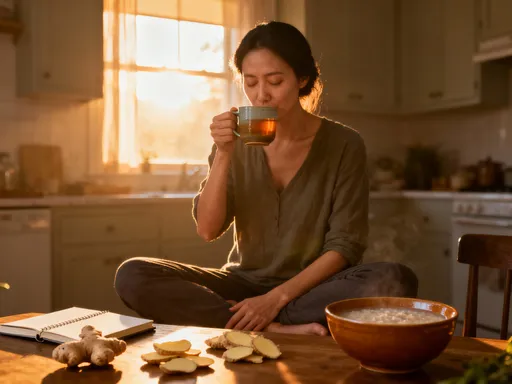
Why I Swear by Qigong for Daily Body Maintenance — A Real Practice Guide
You don’t need intense workouts or expensive treatments to feel balanced. For years, I struggled with low energy and stiffness until I tried qigong. This ancient practice quietly transformed my daily well-being. It’s gentle, natural, and fits into even the busiest schedules. If you’re looking for a sustainable way to maintain your body’s rhythm, qigong might be what you’ve been missing. Let me show you how it works — no hype, just real experience.
The Hidden Struggle: Why Modern Bodies Need Gentle Maintenance
Many women in their 30s, 40s, and 50s find themselves constantly tired, even when they’re not physically overworked. The body aches in subtle ways — stiff shoulders, lower back discomfort, restless nights — and yet, traditional exercise often feels too demanding or even counterproductive. The truth is, modern life places unique stresses on the body that go beyond physical exertion. Long hours spent sitting at desks, staring at screens, managing family responsibilities, and absorbing emotional tension quietly erode the body’s natural balance. These everyday demands don’t just cause fatigue; they disrupt circulation, weaken posture, and dull mental clarity over time.
Aggressive fitness routines, while beneficial for some, can sometimes add to the strain rather than relieve it. High-impact workouts may increase inflammation, especially in joints that are already under stress from daily life. For women navigating hormonal shifts, sleep changes, or the cumulative effects of years of caregiving, the body often needs restoration more than exertion. This is where the idea of gentle maintenance becomes essential. Instead of pushing the body harder, the focus shifts to supporting its natural rhythms — improving flow, reducing tension, and encouraging recovery through mindful, low-effort movement.
Qigong offers a solution that aligns with this need. It doesn’t require strength, speed, or special equipment. It works with the body’s innate intelligence, using slow, intentional motions to awaken awareness and restore harmony. Unlike fast-paced exercises that prioritize calorie burn, qigong prioritizes coherence — the smooth coordination between breath, movement, and mental focus. This coherence helps reset the nervous system, allowing the body to shift from constant 'doing' into a state of balanced 'being.' Over time, this gentle practice can lead to noticeable improvements in energy, flexibility, and emotional resilience.
What makes qigong especially valuable for women in midlife is its adaptability. It can be practiced standing, seated, or even lying down. It fits into small moments — before breakfast, during a work break, or after the kids go to bed. It doesn’t demand perfection or long stretches of time. Instead, it honors the reality of a full life and offers a way to care for oneself without adding more to the schedule. In this way, qigong isn’t just a form of exercise; it’s a daily act of listening to the body and responding with kindness.
What Is Qigong? Unpacking the Basics Without the Hype
At its core, qigong (pronounced 'chee-gong') is a mind-body practice rooted in traditional Chinese wellness principles. It combines three simple elements: gentle physical movement, regulated breathing, and focused attention. Unlike high-intensity fitness, qigong is not about building muscle or increasing heart rate. Instead, it’s about cultivating internal awareness and supporting the body’s natural ability to regulate itself. The word 'qi' refers to vital energy or life force, and 'gong' means skill or practice — so qigong can be understood as the practice of nurturing and guiding one’s inner energy.
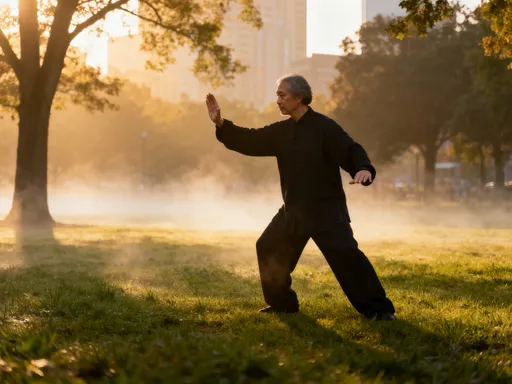
It’s important to clarify that qigong is not a mystical or religious practice. While it has historical ties to traditional Chinese medicine and philosophy, modern qigong is widely practiced as a secular wellness tool. It doesn’t require belief in any particular system; it simply asks for presence and consistency. The movements are slow and repetitive, often mimicking natural elements like flowing water, swaying trees, or rising mist. These motions are designed to open pathways in the body, improve circulation, and release areas of held tension, especially in the neck, shoulders, and lower back.
Qigong shares some similarities with tai chi and yoga, but it has distinct characteristics. Compared to tai chi, which often involves longer, choreographed sequences, qigong tends to focus on shorter, repeatable forms that can be easily integrated into daily life. Unlike yoga, which may emphasize flexibility or deep stretching, qigong prioritizes fluidity and internal sensation over physical achievement. There is no need to touch your toes or hold challenging poses. The goal is not to perform but to feel — to become aware of how breath and movement influence the body’s state.
One of the most empowering aspects of qigong is that it meets you where you are. Whether you’re recovering from an injury, managing chronic discomfort, or simply feeling out of sync, qigong offers a way to reconnect without strain. It doesn’t promise dramatic transformations overnight. Instead, it builds subtle but lasting changes over time — improved posture, calmer breathing, and a greater sense of grounding. The real power of qigong lies not in complexity but in repetition: doing a few simple movements daily with attention and care can yield profound results.
Why Qigong Works: The Science Behind the Stillness
While qigong has been practiced for centuries, modern science is beginning to understand why it has such a positive impact on well-being. Research in the field of mind-body medicine shows that practices combining movement, breath, and focus can influence the nervous system in measurable ways. One of the key benefits of qigong is its ability to activate the parasympathetic nervous system — the part of the body responsible for rest, digestion, and recovery. When this system is engaged, the body shifts out of 'fight-or-flight' mode and into a state of calm alertness, which supports healing and balance.
Studies have found that regular qigong practice can lead to reduced levels of cortisol, the stress hormone that, when chronically elevated, contributes to fatigue, weight gain, and sleep disturbances. By promoting relaxation through coordinated breathing and gentle motion, qigong helps regulate the body’s stress response. This is especially important for women who may be managing multiple roles — as professionals, mothers, caregivers — and experiencing ongoing emotional and mental demands. The practice offers a built-in pause, a way to reset the internal system without needing to 'do' anything dramatic.
Another well-documented benefit is improved balance and joint mobility. As we age, maintaining stability becomes increasingly important for preventing falls and supporting independence. Qigong’s slow, weight-shifting movements enhance proprioception — the body’s awareness of its position in space — and strengthen the connection between mind and muscles. Over time, this leads to better coordination and a reduced risk of injury. Additionally, the gentle stretching and circulation-boosting motions help keep joints lubricated and muscles supple, which can ease common discomforts like stiffness in the morning or tightness after long periods of sitting.
While qigong is not a substitute for medical treatment, it plays a valuable role in preventive care. It supports cardiovascular health by encouraging steady, relaxed breathing and reducing strain on the heart. It also enhances mental clarity by reducing mental chatter and improving focus. Many women report feeling more centered and less reactive after just a few weeks of consistent practice. These changes are not due to any single movement or breath, but to the cumulative effect of showing up for oneself in a quiet, intentional way each day.
My Routine: How I Built a Sustainable Qigong Habit
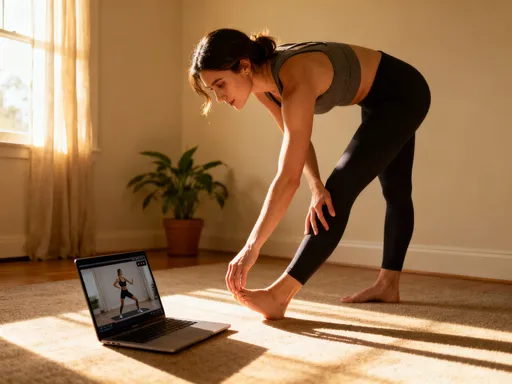
When I first started qigong, I didn’t have hours to dedicate to practice. Like many women, my days were full — work, family, household tasks — and the idea of adding another commitment felt overwhelming. So I began small. I committed to just five minutes in the morning, before the rest of the house woke up. I stood barefoot on a mat near the window, took a few deep breaths, and followed a simple sequence I had learned from a community wellness class. That tiny habit became the foundation of everything that followed.
Over time, I expanded my practice into three short sessions throughout the day. My morning routine includes a 5-minute warm-up with movements like 'Lifting the Sky' and 'Separating Heaven and Earth.' These gentle stretches encourage upward energy flow, open the chest, and awaken the spine. I do them slowly, syncing each motion with my breath — inhaling as I raise my arms, exhaling as I lower them. This sets a calm, centered tone for the day and helps me avoid the rushed, scattered feeling that used to define my mornings.
Midday, when energy tends to dip and tension builds in my shoulders, I take a 3-minute reset. I step away from my desk, stand in a quiet corner, and practice 'Swaying the Tree' — a simple rocking motion that shifts weight from side to side while keeping the arms relaxed. This movement helps release stored tension and renews my focus without requiring a full break. It’s become my go-to tool for staying present and avoiding the afternoon slump.
In the evening, I wind down with a 7-minute sequence that includes 'Wave Hands Like Clouds' and 'Gathering Qi.' These flowing motions help quiet the mind and prepare the body for rest. I often do this seated if I’m too tired to stand, modifying the movements to suit my energy level. After just two weeks of this routine, I noticed real changes: my posture improved, my sleep deepened, and the constant knot between my shoulders began to loosen. The most surprising benefit was emotional — I felt less reactive to daily frustrations and more able to pause before responding.
The key to my success wasn’t intensity or duration, but consistency. I didn’t aim for perfection. Some days, I only did one session. Others, I skipped entirely. But I always returned, without guilt. Over time, qigong became less of a 'practice' and more of a natural part of my day — like brushing my teeth or drinking water. It didn’t require special clothes, equipment, or apps. Just a few minutes of presence, repeated daily, created a ripple effect of well-being.
Common Mistakes (and How to Avoid Them)
When starting qigong, it’s easy to fall into certain traps that can discourage progress. One of the most common mistakes is trying to do too much too soon. Some beginners search for complex forms or advanced techniques, thinking more movement means better results. But qigong is not about quantity — it’s about quality. Overcomplicating the practice can lead to frustration and physical strain, especially if the body isn’t used to mindful movement. The most effective approach is to start with just one or two simple movements and repeat them with attention.
Another frequent error is neglecting the breath. Qigong is not just physical exercise; it’s a coordination of movement and breathing. When people focus only on the motions and forget to breathe deeply and rhythmically, they miss a crucial part of the practice. Breath is the bridge between body and mind. Without it, the movements become mechanical rather than therapeutic. A simple way to avoid this is to link each motion to an inhale or exhale — for example, raising the arms on the inhale, lowering them on the exhale. This creates a natural rhythm that enhances relaxation and focus.
Inconsistency is another barrier. Because qigong feels so gentle, some people assume they need to do it for long periods to see results. But the opposite is true. Short, regular sessions are far more effective than occasional long ones. The body responds to repetition, not duration. Missing a day isn’t failure — it’s part of the process. The goal is to build a sustainable habit, not achieve perfection. If you forget one day, simply begin again the next without judgment.
Finally, many newcomers expect immediate changes. They hope to feel energized or pain-free after just a few sessions. While some notice subtle shifts quickly, others take weeks or even months to feel the full benefits. Progress in qigong is often internal — improved sleep, reduced anxiety, better digestion — and may not be obvious at first. The key is to trust the process and stay patient. This practice is not a quick fix; it’s a lifelong investment in well-being.
How to Start: Simple Steps for Beginners
Starting qigong doesn’t require any special preparation. The first step is to find a quiet, comfortable space where you won’t be interrupted. It can be a corner of your living room, a spot in the bedroom, or even a peaceful area outdoors. Wear loose, comfortable clothing that allows for easy movement. You don’t need a mat, but if you prefer standing barefoot, a non-slip surface helps.
Begin with just five minutes a day. Choose one simple movement, such as 'Lifting the Sky' — raising your arms slowly in front of you and overhead while inhaling, then lowering them while exhaling. Repeat this 5 to 10 times, focusing on the sensation of movement and breath. Keep your movements slow and smooth, as if moving through water. Let your shoulders relax and your gaze soften. The goal is not to perform perfectly but to stay present.
If you’re unsure where to start, consider exploring beginner-friendly resources from reputable wellness organizations or community centers. Many offer introductory classes, either in person or online, that provide clear, step-by-step guidance. Look for instructors who emphasize safety, simplicity, and accessibility. Avoid programs that promise rapid results or use exaggerated language. True qigong is humble, grounded, and sustainable.
As you become more comfortable, gradually add another movement or extend your practice by a few minutes. Listen to your body — if something feels strained, adjust or stop. There is no competition, no timeline, and no pressure. The only measure of success is showing up for yourself with kindness and consistency. Over time, these small moments of presence will weave into a stronger sense of balance and resilience.
Beyond the Body: Lasting Benefits for Daily Life
The benefits of qigong extend far beyond physical comfort. While many begin the practice to ease stiffness or improve energy, they often discover deeper shifts in how they experience life. One of the most profound changes is increased mindfulness — a greater awareness of thoughts, emotions, and reactions. This awareness doesn’t come from effort, but from the quiet focus cultivated through regular practice. Over time, you may find yourself pausing before reacting, choosing calm over frustration, and responding to challenges with more clarity.
Many women report improved patience — with themselves, their families, and daily demands. The slow, deliberate nature of qigong trains the mind to move at a gentler pace, which can soften the edges of a hectic schedule. It becomes easier to appreciate small moments: a warm cup of tea, a quiet morning, a shared laugh. This shift isn’t about changing your life circumstances, but about changing your relationship to them.
Qigong also fosters a sense of inner stability. In a world that often feels unpredictable, the daily practice offers a reliable anchor. Knowing you have a tool to reset, reconnect, and restore yourself brings a quiet confidence. This resilience doesn’t develop overnight, but through the steady accumulation of small, intentional acts. Each session is a quiet promise to yourself — a commitment to well-being that doesn’t depend on external validation or achievement.
In the end, qigong is not about becoming someone else or achieving a perfect state. It’s about returning to yourself — to the natural rhythm of breath, the quiet strength of presence, and the wisdom of the body. It’s a practice of maintenance, not transformation. And for women navigating the many seasons of life, that gentle, consistent care can make all the difference. If you’re looking for a way to support your body and mind without adding more pressure, qigong may be the quiet ally you’ve been seeking. As with any wellness practice, it’s always wise to consult with a healthcare provider, especially if you have existing health conditions. But for most, qigong offers a safe, accessible, and deeply nourishing path to lasting well-being.