How Dance Fitness Changed My Routine Without Feeling Like a Workout
Ever felt like exercise is a chore you just can’t stick to? I was there—until I swapped the treadmill for dance moves. Dance sports aren’t just fun; they’re a full-body workout that boosts heart health, coordination, and mood. I started with 10-minute online sessions and noticed real changes in my energy and confidence. This isn’t about perfection—it’s about movement that feels good. Let me show you how dance fitness can work for anyone, even if you “can’t dance.”
The Problem with Traditional Workouts (And Why We Quit)
For many women in their 30s, 40s, and beyond, the idea of regular exercise often brings more frustration than inspiration. The typical gym experience—repetitive routines, mirrored walls, and intimidating equipment—can feel isolating and mechanical. Despite good intentions, most people abandon their fitness goals within weeks. Research shows that over 50% of adults who start a new exercise program drop out within the first six months. The reasons are familiar: lack of time, low motivation, and above all, a lack of enjoyment. When physical activity feels like punishment, it’s no surprise we avoid it.
Traditional workouts often emphasize isolated movements—bicep curls, leg presses, treadmill sprints—that focus on burning calories or building muscle in specific areas. While effective in theory, these routines rarely engage the mind or spirit. They don’t reflect how our bodies were meant to move: fluidly, rhythmically, and expressively. This disconnect between physical effort and emotional satisfaction is a major reason people struggle to stay consistent. The body may be working, but the mind checks out.
Dance fitness offers a powerful alternative. Unlike rigid gym routines, dance-based movement combines physical exertion with music, rhythm, and self-expression. It feels less like a task and more like an experience. When you’re focused on the beat, the flow of your arms, or the shift of your weight, you’re not counting minutes or calories—you’re immersed in the moment. This mental engagement is key to long-term adherence. Studies have found that people who enjoy their workouts are significantly more likely to stick with them over time.
For busy mothers and working women juggling family, careers, and personal responsibilities, the appeal of dance fitness lies in its accessibility and emotional reward. It doesn’t require special skills, expensive equipment, or hours of commitment. A 15-minute session in your living room can leave you energized, uplifted, and more connected to your body. It’s exercise that doesn’t feel like exercise—because it’s rooted in something deeply human: the joy of movement.
What Exactly Is Dance Sports? Beyond Just Moving to Music
Dance sports are more than spontaneous dancing at a party or swaying to a favorite song. They are structured, fitness-focused forms of dance designed to elevate heart rate, build strength, and improve coordination. Unlike casual dancing, which is freeform and improvisational, dance sports follow choreographed sequences that blend aerobic conditioning with artistic expression. These routines are crafted by trained instructors to ensure a balanced workout that targets endurance, flexibility, balance, and muscle tone—all while moving to music.
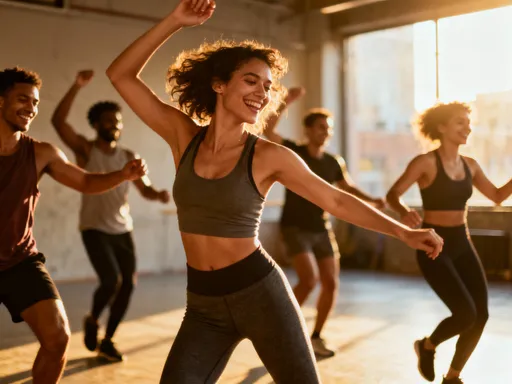
Popular formats include Zumba, which combines Latin rhythms with aerobic movements; barre classes, inspired by ballet and Pilates, that focus on small, controlled motions to strengthen the core and improve posture; and urban dance workouts, which use hip-hop and pop music to drive high-energy routines. Each style has its own rhythm and intensity, but all share a common goal: to make fitness feel dynamic and engaging. These classes are now widely available in gyms, community centers, and online platforms, making them accessible to women regardless of location or schedule.
What sets dance sports apart from traditional gym workouts is their integration of cognitive and emotional elements. In a standard strength-training session, you might repeat the same motion 10 times while focusing on form. In a dance workout, you’re learning sequences—steps that build on one another, requiring memory, timing, and spatial awareness. This mental challenge enhances brain function over time, improving focus and coordination. The combination of physical effort and mental engagement creates a full-body, full-mind experience that traditional exercise often lacks.
Moreover, dance sports celebrate individuality. While there are set movements, there’s room for personal expression—how you swing your arms, shift your weight, or smile during a routine. This freedom fosters a sense of ownership and joy that rigid workouts rarely offer. You’re not just going through the motions; you’re participating in a living, breathing form of self-care that honors both your body and your spirit.
Science-Backed Benefits: How Dance Transforms Body and Brain
The benefits of dance fitness extend far beyond feeling good in your jeans. A growing body of scientific research confirms that regular participation in dance-based exercise leads to measurable improvements in both physical and mental health. One study published in the journal *Frontiers in Human Neuroscience* found that older adults who engaged in weekly dance sessions showed greater improvements in balance, gait, and cognitive flexibility compared to those doing traditional stretching or walking programs. Another study from the *British Journal of Sports Medicine* reported that dance significantly enhances cardiovascular endurance, with participants achieving similar heart rate elevations as those in moderate-intensity aerobic training.
From a physiological standpoint, dance is a full-body workout. It engages the legs, core, arms, and back in integrated movements that mimic real-life activities—stepping, turning, reaching, bending. This functional fitness builds muscular endurance and joint stability, reducing the risk of injury in daily life. Because dance often involves shifting weight from one foot to another, it naturally improves balance and coordination, which are especially important as we age. Falls are a leading cause of injury among women over 50, and dance helps strengthen the neuromuscular pathways that keep us steady on our feet.
Equally important are the brain benefits. Learning choreography challenges the brain to remember sequences, anticipate changes, and coordinate movement with rhythm. This constant mental engagement strengthens neural connections and has been linked to delayed onset of cognitive decline. In fact, a long-term study from the *New England Journal of Medicine* found that dancing was the only physical activity associated with a significantly reduced risk of dementia among seniors. The combination of physical activity, social interaction, and cognitive demand creates a powerful protective effect.
On an emotional level, dance triggers the release of endorphins, serotonin, and dopamine—neurochemicals that regulate mood and reduce stress. The rhythmic nature of movement, especially when synchronized with music, has a calming, meditative effect. Many women report feeling more centered, confident, and emotionally resilient after just one session. For those managing anxiety, fatigue, or low mood, dance fitness offers a natural, non-pharmaceutical way to boost mental well-being. It’s not just about looking better—it’s about feeling more alive.
Finding Your Style: Matching Dance Forms to Your Goals
One of the greatest strengths of dance fitness is its variety. There’s no single “right” way to dance, and different styles serve different fitness goals. The key is choosing a form that aligns with your current needs, energy level, and personal preferences. Whether you want to burn calories, improve flexibility, reduce stress, or simply have fun, there’s a dance workout that fits.
If weight management and cardiovascular health are your priorities, high-energy styles like Zumba, hip-hop fusion, or salsa aerobics may be ideal. These formats involve continuous movement, often with jumps, quick steps, and dynamic arm patterns that elevate the heart rate and promote calorie burn. A 45-minute Zumba class can burn between 300 and 600 calories, depending on intensity and body weight. The Latin rhythms and upbeat music make the effort feel effortless, turning what could be a grueling cardio session into a celebration.
For women seeking improved posture, core strength, and joint mobility, barre or Pilates-inspired dance workouts offer a gentler yet highly effective option. These classes use small, precise movements—often at a ballet barre or against a wall—to target deep stabilizing muscles. While the pace is slower, the muscular engagement is intense, leading to long, lean muscle development and better body alignment. Many participants notice improvements in everyday posture, reduced back pain, and greater ease in bending and lifting—benefits that support long-term physical health.
Those managing stress or emotional fatigue may find relief in contemporary or lyrical dance workouts. These styles emphasize flow, expression, and breath, often set to soothing or inspirational music. The movements are expansive and grounding, encouraging mindfulness and emotional release. Unlike high-impact routines, they focus on connection rather than intensity, making them ideal for evening sessions or days when energy is low. Even just 10 minutes of flowing movement can reset the nervous system and improve sleep quality.
For beginners, many online platforms offer “low-impact” or “beginner-friendly” dance classes that modify movements to protect joints while maintaining effectiveness. These are especially helpful for women with knee concerns, arthritis, or limited mobility. The beauty of dance fitness is that it can be adapted—stepping instead of jumping, using smaller ranges of motion, or dancing while seated. The goal is consistent movement, not perfection.
Starting Small: Building Confidence When You “Can’t Dance”
One of the most common barriers to trying dance fitness is the belief that “I can’t dance.” This fear often stems from childhood experiences—being teased for awkward moves, feeling out of sync, or comparing oneself to professional dancers. But dance fitness isn’t about performance; it’s about participation. You don’t need rhythm, coordination, or grace to begin. What matters is willingness—to move, to try, to show up for yourself.
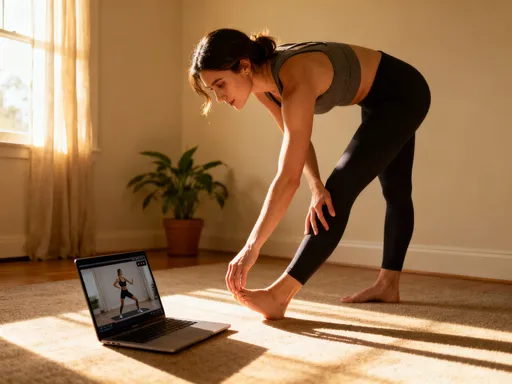
The best way to start is small and private. Begin with a 5- to 10-minute beginner video in the comfort of your home. Choose a style that feels inviting—perhaps something with simple steps and clear cues. Don’t worry about getting every move right. Focus instead on syncing your body with the beat, even if it’s just nodding your head or shifting your weight side to side. Over time, your body will begin to anticipate the rhythm, and the movements will feel more natural.
Using a mirror can be helpful for some, but for others, it increases self-consciousness. If you feel judged by your reflection, turn it away or close your eyes during certain parts of the routine. Instead of watching yourself, focus on how the movement feels—the stretch in your arms, the pulse in your feet, the rise and fall of your breath. This shift from visual to sensory awareness builds body confidence and reduces performance anxiety.
Another effective strategy is to break down routines into small segments. Learn one eight-count at a time, repeating it until it feels familiar. Celebrate small wins: completing a full minute without stopping, remembering a sequence, or simply showing up on a tired day. Progress in dance fitness isn’t measured by speed or precision—it’s measured by consistency and courage. Each session builds neural pathways, muscle memory, and emotional resilience, laying the foundation for lasting change.
Making It Stick: Turning Dance Into a Sustainable Habit
Motivation fades, but habits endure. The secret to long-term success with dance fitness isn’t intensity—it’s consistency. Research shows that short, regular sessions are more effective than occasional long ones. A daily 10-minute dance break is more likely to become a habit than a weekly hour-long class that feels overwhelming. The key is to integrate movement into your routine in a way that feels manageable and enjoyable.
Start by scheduling dance time like any other appointment. Choose a consistent time—perhaps first thing in the morning to energize your day, during a lunch break to reset, or in the evening to unwind. Treat it as non-negotiable self-care, just like brushing your teeth or preparing a meal. Pair it with something you already enjoy: a favorite playlist, a cup of tea afterward, or dancing with a child or pet. These small associations strengthen the habit loop and make it more sustainable.
Music plays a crucial role in motivation. Create a playlist of songs that make you want to move—whether it’s pop, country, R&B, or international rhythms. Listening to upbeat music, even outside of workouts, can prime your brain for movement and improve mood. Some women find joy in themed dance days—Motown Monday, Latin Friday—adding a playful element that keeps things fresh.
Tracking progress doesn’t have to mean weighing yourself. Focus on non-scale victories: better sleep, improved mood, increased stamina, or the ability to climb stairs without getting winded. Keep a simple journal or use a habit tracker app to mark days you danced. Seeing a streak build can be incredibly motivating. If you miss a day, respond with kindness, not criticism. One missed session doesn’t break the habit—giving up does.
For added support, consider joining an online dance community. Many platforms offer live classes, forums, or social media groups where women share tips, encouragement, and favorite routines. This sense of connection combats isolation and reinforces commitment. Knowing others are moving at the same time—even virtually—creates a shared energy that can carry you through low-motivation days.
Safety, Preparation, and Knowing When to Seek Guidance
While dance fitness is generally low-impact and accessible, it’s important to approach it with care, especially if you have pre-existing health conditions. Proper preparation reduces the risk of injury and ensures a positive experience. Always begin with a 5-minute warm-up—gentle marching, arm circles, or torso twists—to increase blood flow and prepare muscles and joints for movement. Similarly, end with a cool-down and light stretching to aid recovery and improve flexibility.
Footwear matters. Avoid dancing on hard floors in socks or bare feet, which can lead to slips or joint strain. Instead, wear supportive sneakers or dance shoes with some cushioning and grip. If you’re working out at home, consider using a yoga mat or exercise mat to reduce impact on knees and hips. Pay attention to your body’s signals—pain is not normal. Discomfort may occur as muscles adapt, but sharp or persistent pain means it’s time to stop and reassess.
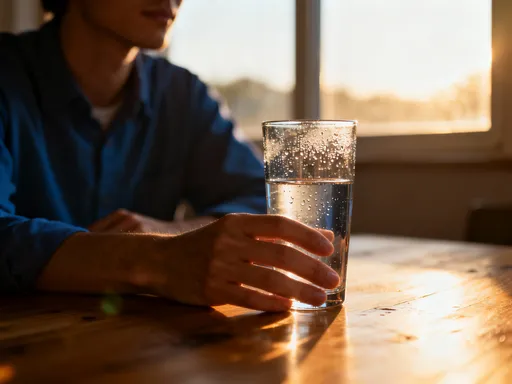
Stay hydrated before, during, and after your session. Even short workouts increase heart rate and body temperature, so drinking water supports circulation and energy levels. If you have heart conditions, high blood pressure, or joint concerns like arthritis, consult your healthcare provider before starting any new fitness program. They can offer personalized guidance and help you choose modifications that keep you safe.
Remember, dance fitness should enhance your life, not strain it. It’s okay to modify, slow down, or take breaks. The goal is sustainable movement that supports your overall well-being. With the right preparation and mindset, dance can be a lifelong practice—one that grows with you through every season of life.
Dance fitness isn’t about becoming a performer—it’s about reclaiming joy in movement. By blending rhythm, effort, and expression, it offers a refreshing alternative to conventional exercise. Whether you're healing, maintaining, or transforming your health, dance invites you to move freely and consistently. The real win? You won’t even realize you’re working out.